An Article by Emily Goodson
The travel industry, for too long, has not made space for people with disabilities or sought to understand the breadth of interests, needs, and wants within our community.
I love luxury experiences. I love travel. And, I’m a woman with a physical disability (which is probably not the customer profile that first comes to mind when you think of a luxury traveler).
I first started working with McLean Robbins and the team at Lily Pond Luxury because I wanted recommendations on luxury properties that suited my lifestyle preferences.
What I found, though, was that McLean offered me a more compelling experience beyond property selection. In a world where not everyone is mindful of physical accessibility, having someone advocate for you—and curate experiences that account for both access and lifestyledesires—is, to me, the even greater luxury.
I had a brain injury resulting in partial paralysis as a young child and I don’t remember ever traveling without a physical disability. I walk with a limp and have an inch difference between my legs. I also have limited use of my left hand, so checked bags, elevators, and ramps are most definitely my friends.
Much of my experience growing up involved reactive adapting to my surrounding. No hand railson steps? Let’s skip that. Cobblestone streets? Let’s go slow or take a different road. A hotel in Paris that only has a shower head you hold manually (versus one mounted on the wall)? You cry because you can’t lather your hair and hold the shower head at the same time–and because this shower is a painful reminder that the world isn’t always designed with you in mind.
McLean Robbins and I met in our freshman dorm in college at Wake Forest University. In the last five years, she has become a trusted member of my team that I wouldn’t want to do without.
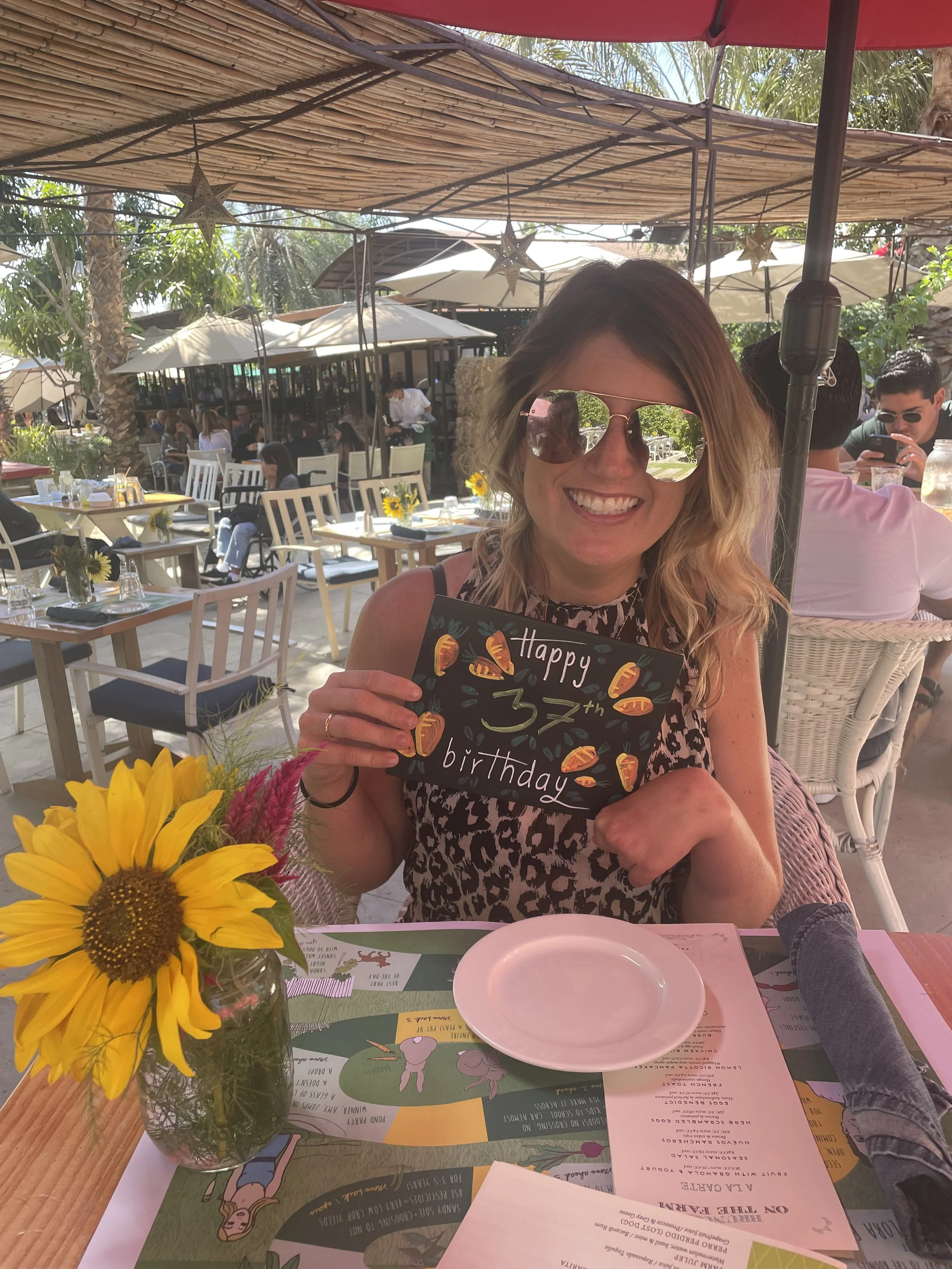
The first trip that McLean planned for me was to San Jose del Cabo in 2022 for 1) my birthday and 2) to celebrate my first article being published in the LA Times. I was very excited, but I was also planning to go to a new country as a single woman with a physical disability for the first time, and didn’t know what to expect.
McLean’s guidance made the trip seamless because she anticipated scenarios that I wouldn’t have known to consider. As I looked out at the gorgeous water from my room at the Viceroy that year, I realized what McLean and her firm were really giving me was a luxury hotel, yes, but more importantly, ease. The mental ease of what it feels like to have someone else thinking ahead. The ease of not having to anticipate every possible scenario and think about what physical adaptations might be needed.
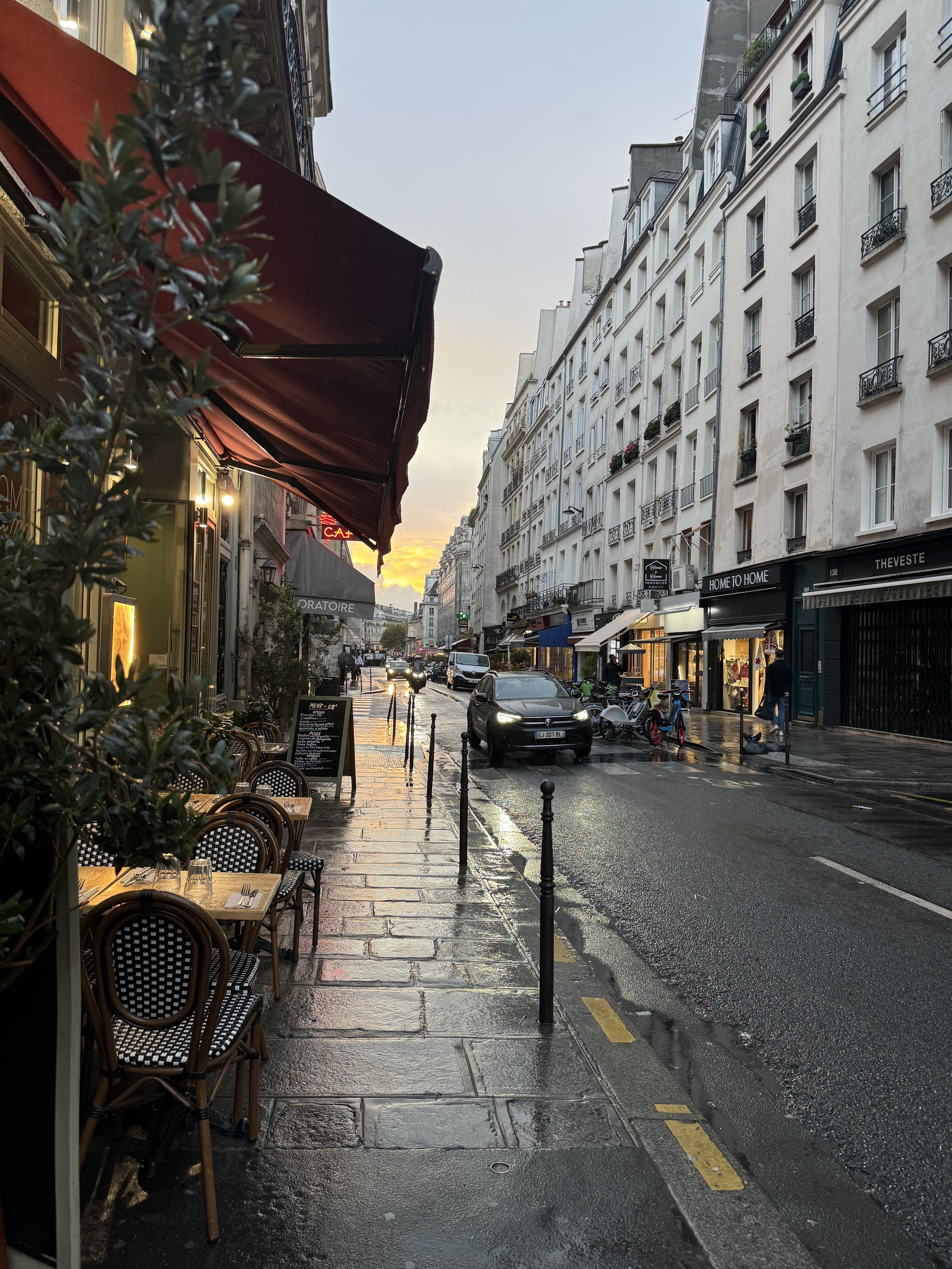
As I’ve continued to travel with McLean over the years, a favorite moment is encountering a bathtub with exceptionally high walls in a boutique hotel in Paris. I talked to the hotel staff to explain the situation (that I literally did not have the mobility to step in and out of the high-walled tub). But McLean and her team were also all over it, liaising with the hotel staff to find the best option, which turned out to be a temporary, but very sturdy, grab bar.
I know I’m lucky to have the experiences McLean has arranged for me. Every week I read stories about mobility devices being damaged by airlines. I know friends who haven’t been able to access trains because of their access needs. And I also know the Americans with Disabilities Act doesn’t exist in every country.
People with disabilities and chronic illness should be able to travel and explore our beautiful planet just like everyone else. No one should be excluded from experiences they desire because their body works differently. But, sadly, we know this vision isn’t our reality.
I wish I could change the systemic problems around accessibility and travel overnight. And while I work on finding that magic wand, here are a few solutions for both providers and travelers to consider implementing in the meantime.
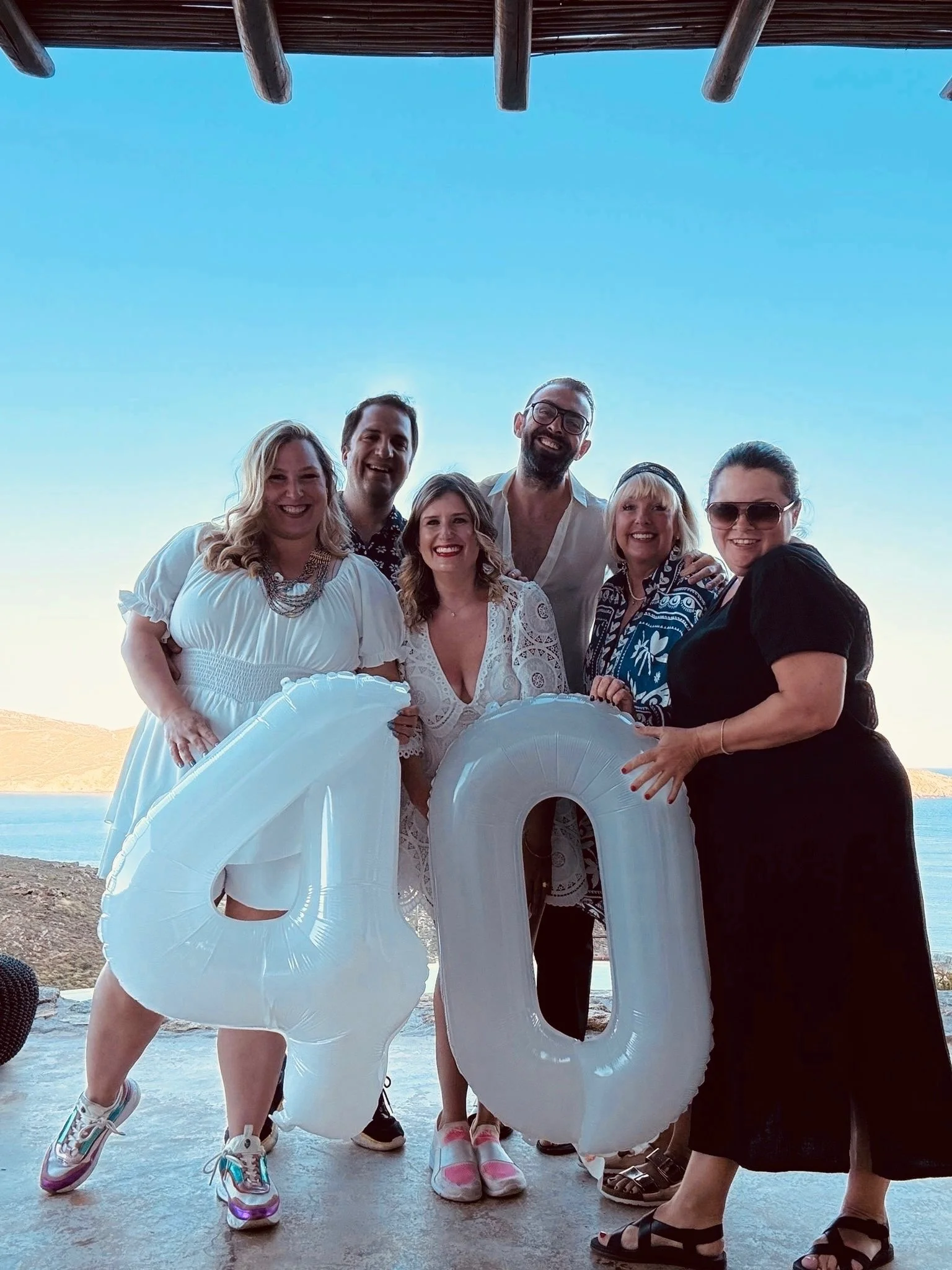
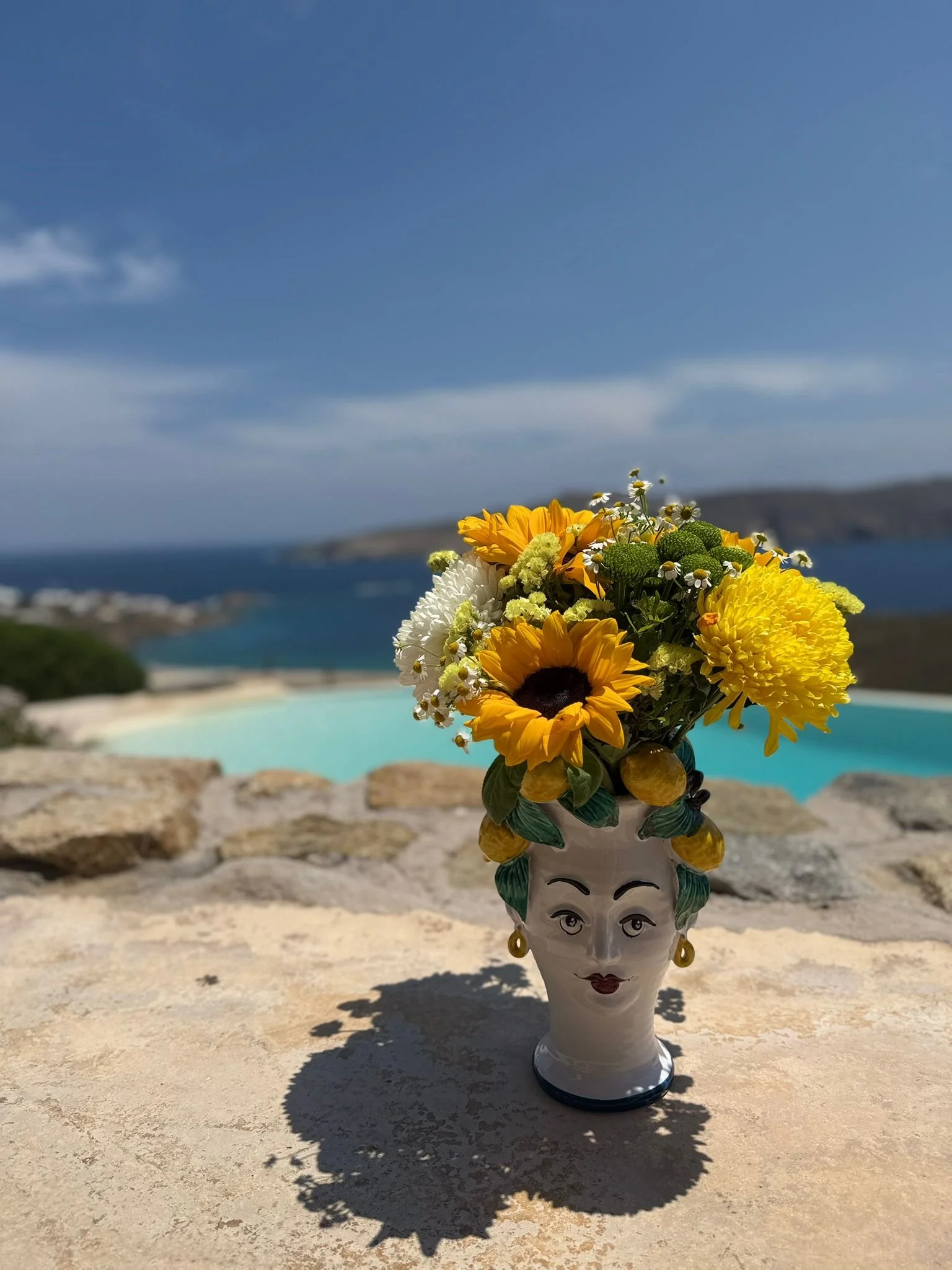
If you have a disability or chronic illness, want to travel, and have the ability to engage someone like McLean to advocate for you, do. McLean just recently arranged a gorgeous villa for my 40th birthday and having her advice on the right location and country for my budget, lifestyle preferences, and physical mobility was invaluable.
I wouldn’t have been able to fully anticipate the accessibility realities of each property or location on my own. Having an advocate who understands both luxury travel and access is what inclusive customer service looks like.
If you are a travel services provider, make sure you invest in deeply understanding your customers’ access needs—and in helping them anticipate what they may need to know about a new location, property, or mode of transportation.
That means going beyond assumptions and compliance checklists. Hire disabled travel consultants and actively examine how your lived experience shapes what you notice about travel—and what you overlook.
If you consider yourself a luxury property or provider, interrogate the assumptions that may be quietly narrowing your view of who your customer is. People with disabilities travel, celebrate milestones, seek beauty, and expect excellence—just like anyone else.
Don’t let outdated stereotypes dictate who you design for, market to, or prioritize. Accessibility and luxury are not mutually exclusive; thoughtful design and service expandsyour audience rather than limits it.
Emily Goodson is an author, strategist, and former HR leader transforming how we think about disability, confidence, and connection. Her first book, Dating Disability: 15 Stories of Dealing with the BS and Building Confidence is about her experience building self-acceptance and self-love. The next travel she plans to book with McLean and Lily Pond Luxury is to Mallorca and the Costa del Sol in Spain.